This analysis was generated by AI from publicly available reader reviews, literary criticism, and book discussions. It has not been verified by a BookLens community reviewer and may contain errors. Be the first to verify →
Content snapshot
Flag an inaccuracy →What's in this book, at a glance — five things readers want to know before they start.
Violence
A lot
A bombing and its devastating aftermath are the novel's central events; Conrad depicts the violence and its human cost directly
Language
Barely any
Formal literary prose; Conrad's measured and ironic register
Sexual Content
Barely any
Minimal sexual content
Substance Use
Barely any
Some drinking in the London setting
Emotional Intensity
A lot
The psychological weight of complicity — of being responsible for something terrible through cowardice and irresponsibility — and the way Conrad depicts the anarchists as hollow rather than dangerous creates the novel's sustained dark irony
What this book is about
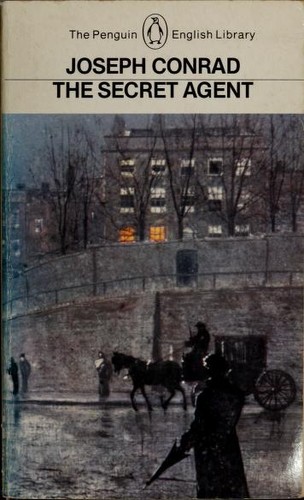
Conrad's dark political novel follows Adolf Verloc, a spy for an unspecified foreign power who poses as an anarchist bookshop owner in London, and who is pushed by his foreign handler to commit a bombing. The novel's tone is one of bitter irony; its exploration of nihilism, complicity, and the tragedy that follows a botched plan is among the finest in English literature. The bombing's aftermath is genuinely devastating. A challenging masterwork.
Notes for sensitive readers
Reader-flagged moments and themes that may affect your experience.
Reader Verification
Be the first to verify
this rating
Have you read The Secret Agent? Submit a community rating to confirm or correct the AI estimate. Your review helps other readers make an informed choice.
Rate this book →Free · ~5 minutes · No account required
Similar reads
More Mystery books from the catalog.


Think this AI estimate is off?
Flag an inaccuracy →Where to Buy
Affiliate links — BookLens earns a small commission at no extra cost to you.