This analysis was generated by AI from publicly available reader reviews, literary criticism, and book discussions. It has not been verified by a BookLens community reviewer and may contain errors. Be the first to verify →
Content snapshot
Flag an inaccuracy →What's in this book, at a glance — five things readers want to know before they start.
Violence
Some
Fantasy combat and competition; some deaths; the villains have genuine menace
Language
Barely any
Mild language
Sexual Content
Barely any
Romantic tension appropriate to the YA audience
Substance Use
None
No substance use
Emotional Intensity
Some
The psychological difficulty of being told you are the villain
What this book is about
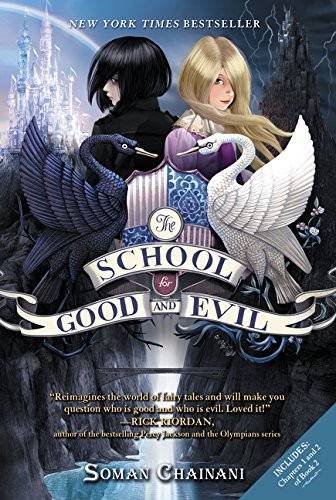
Every four years, two children are taken from the village of Gavaldon to the School for Good and Evil—one to each side, one to become a hero, one to become a villain. Sophie, beautiful and ambitious, expects Good. Agatha, strange and plain, expects Evil. They get the opposite. Chainani's MG/YA fantasy is built around the smart premise that the categories of 'Good' and 'Evil' are more complicated than fairy tales suggest, and delivers genuine plot twists in service of that thesis.
Notes for sensitive readers
Reader-flagged moments and themes that may affect your experience.
Fantasy violence and some dark content
The premise challenges how we categorize 'good' and 'evil'
Reader Verification
Be the first to verify
this rating
Have you read The School for Good and Evil? Submit a community rating to confirm or correct the AI estimate. Your review helps other readers make an informed choice.
Rate this book →Free · ~5 minutes · No account required
Similar reads
More Fantasy books from the catalog.


Think this AI estimate is off?
Flag an inaccuracy →Where to Buy
Affiliate links — BookLens earns a small commission at no extra cost to you.