This analysis was generated by AI from publicly available reader reviews, literary criticism, and book discussions. It has not been verified by a BookLens community reviewer and may contain errors. Be the first to verify →
Content snapshot
Flag an inaccuracy →What's in this book, at a glance — five things readers want to know before they start.
Violence
Barely any
Implied suffering of a child; not depicted graphically but the premise is disturbing
Language
None
Clean language
Sexual Content
None
No sexual content
Substance Use
None
Brief mention of festive use of substances
Emotional Intensity
A lot
Deep philosophical and moral discomfort; the story is designed to unsettle the reader's ethical assumptions
What this book is about
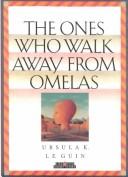
Le Guin's famous short story imagines Omelas, a utopian city of joy — whose happiness depends entirely on the suffering of one child kept in a basement. The narrator invites the reader to imagine the city in detail, then confronts them with the moral question at its heart. A philosophical thought experiment rendered as haunting fiction; one of the most discussed short stories of the twentieth century.
Notes for sensitive readers
Reader-flagged moments and themes that may affect your experience.
Child suffering (implied, not depicted)
Moral philosophy themes
Existential distress
Reader Verification
Be the first to verify
this rating
Have you read The ones who walk away from Omelas? Submit a community rating to confirm or correct the AI estimate. Your review helps other readers make an informed choice.
Rate this book →Free · ~5 minutes · No account required
Similar reads
More Fantasy books from the catalog.


Think this AI estimate is off?
Flag an inaccuracy →Where to Buy
Affiliate links — BookLens earns a small commission at no extra cost to you.