This analysis was generated by AI from publicly available reader reviews, literary criticism, and book discussions. It has not been verified by a BookLens community reviewer and may contain errors. Be the first to verify →
Content snapshot
Flag an inaccuracy →What's in this book, at a glance — five things readers want to know before they start.
Violence
Some
Satan casually kills and manipulates people to demonstrate the insignificance of human life
Language
Barely any
Mild language for the era
Sexual Content
None
No sexual content
Substance Use
None
No substance use
Emotional Intensity
A lot
Twain's argument that consciousness is a curse and life is a dream — delivered through Satan — is the novella's philosophical gut-punch
What this book is about
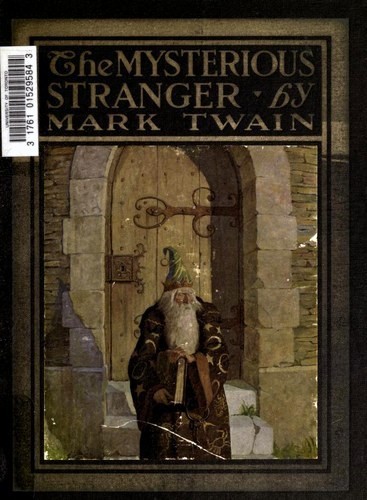
Twain's unfinished and posthumously published dark novella follows three boys in medieval Austria who encounter a young man who turns out to be Satan — nephew, not the fallen angel himself. Satan demonstrates casual disregard for human life, manipulates the boys' futures, and delivers a final devastating speech about the nature of reality and consciousness. Twain's most nihilistic and bitter work; written toward the end of his life. Disturbing in its philosophical implications.
Notes for sensitive readers
Reader-flagged moments and themes that may affect your experience.
Nihilistic philosophical argument about meaninglessness
Casual divine violence against humans
Reader Verification
Be the first to verify
this rating
Have you read The Mysterious Stranger? Submit a community rating to confirm or correct the AI estimate. Your review helps other readers make an informed choice.
Rate this book →Free · ~5 minutes · No account required
Similar reads
More Fantasy books from the catalog.


Think this AI estimate is off?
Flag an inaccuracy →Where to Buy
Affiliate links — BookLens earns a small commission at no extra cost to you.