This analysis was generated by AI from publicly available reader reviews, literary criticism, and book discussions. It has not been verified by a BookLens community reviewer and may contain errors. Be the first to verify →
Content snapshot
Flag an inaccuracy →What's in this book, at a glance — five things readers want to know before they start.
Violence
Barely any
Minimal violence; the threat is cosmic and existential
Language
None
No profanity; Le Guin's measured literary prose
Sexual Content
None
No sexual content
Substance Use
None
No substance use
Emotional Intensity
A lot
The philosophical weight of accepting death — and the lure of immortality as a kind of living death — is the novel's full subject and its greatest achievement
What this book is about
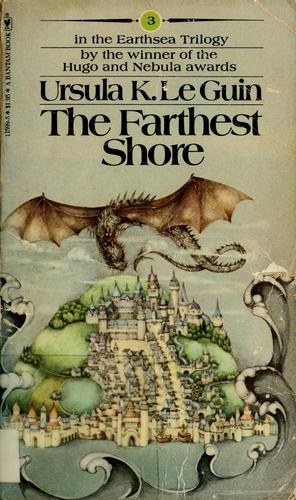
The third Earthsea novel follows the Archmage Ged and the young prince Arren as they journey westward in search of a wizard who has found a way to promise immortality — at the cost of draining magic and meaning from the world. Le Guin's meditation on death and acceptance is the most philosophically profound of the Earthsea books. The journey becomes increasingly dark as they approach the land of the dead. Appropriate for thoughtful readers of all ages.
Notes for sensitive readers
Reader-flagged moments and themes that may affect your experience.
Reader Verification
Be the first to verify
this rating
Have you read The Farthest Shore? Submit a community rating to confirm or correct the AI estimate. Your review helps other readers make an informed choice.
Rate this book →Free · ~5 minutes · No account required
Similar reads
More Fantasy books from the catalog.


Think this AI estimate is off?
Flag an inaccuracy →Where to Buy
Affiliate links — BookLens earns a small commission at no extra cost to you.