This analysis was generated by AI from publicly available reader reviews, literary criticism, and book discussions. It has not been verified by a BookLens community reviewer and may contain errors. Be the first to verify →
Content snapshot
Flag an inaccuracy →What's in this book, at a glance — five things readers want to know before they start.
Violence
Barely any
No graphic violence; some threat and menace in the conspiracy investigation
Language
Some
Adult language
Sexual Content
Some
Adult relationships; period 1960s content
Substance Use
Some
Some drug use; 1960s counterculture context
Emotional Intensity
A lot
The paranoid logic of conspiracy thinking; the impossibility of knowing if the pattern is real or imagined
What this book is about
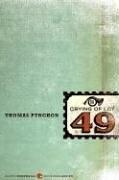
Oedipa Maas is appointed executor of the estate of her former lover Pierce Inverarity. As she investigates his holdings in Southern California, she begins finding evidence of the Tristero—a secret postal system that has been running in opposition to official communications since the seventeenth century. Or has she? Pynchon's shortest and most accessible novel is a masterwork of postmodern paranoia: is the conspiracy real, or is Oedipa constructing meaning from noise? The book refuses to answer.
Notes for sensitive readers
Reader-flagged moments and themes that may affect your experience.
Postmodern paranoia that implicates the reader
Deliberately unresolved ending
Reader Verification
Be the first to verify
this rating
Have you read The Crying of Lot 49? Submit a community rating to confirm or correct the AI estimate. Your review helps other readers make an informed choice.
Rate this book →Free · ~5 minutes · No account required
Similar reads
More Contemporary Fiction books from the catalog.


Think this AI estimate is off?
Flag an inaccuracy →Where to Buy
Affiliate links — BookLens earns a small commission at no extra cost to you.