This analysis was generated by AI from publicly available reader reviews, literary criticism, and book discussions. It has not been verified by a BookLens community reviewer and may contain errors. Be the first to verify →
Content snapshot
Flag an inaccuracy →What's in this book, at a glance — five things readers want to know before they start.
Violence
Some
Executions by hanging; a man is pressed to death; violence implicit in legal proceedings
Language
Barely any
Period language; mild by modern standards
Sexual Content
Barely any
Adultery is a central plot element; not explicit
Substance Use
None
No substance use
Emotional Intensity
A lot
Explores mass hysteria, scapegoating, moral cowardice, and the psychological pressure to conform or die
What this book is about
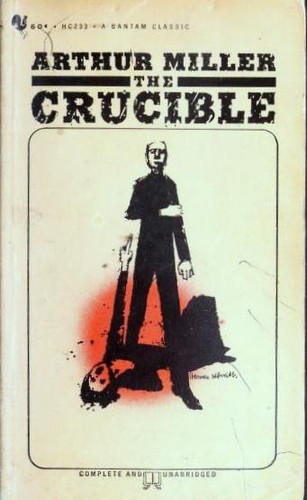
Arthur Miller's 1953 play dramatizes the Salem witch trials of 1692, following John Proctor as mass hysteria and malicious accusations tear apart his community. Written as an allegory for McCarthyite persecution, The Crucible is a searing examination of how fear, self-interest, and moral cowardice enable injustice — and what it costs to stand against it.
Notes for sensitive readers
Reader-flagged moments and themes that may affect your experience.
Executions and institutional violence
Themes of false accusation and mass hysteria
Adultery as a plot element
Reader Verification
Be the first to verify
this rating
Have you read The Crucible? Submit a community rating to confirm or correct the AI estimate. Your review helps other readers make an informed choice.
Rate this book →Free · ~5 minutes · No account required
Similar reads
More Historical Fiction books from the catalog.


Think this AI estimate is off?
Flag an inaccuracy →Where to Buy
Affiliate links — BookLens earns a small commission at no extra cost to you.