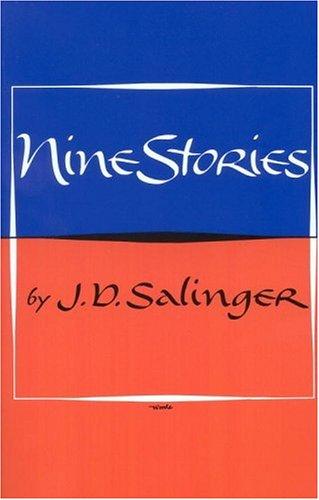
This analysis was generated by AI from publicly available reader reviews, literary criticism, and book discussions. It has not been verified by a BookLens community reviewer and may contain errors. Be the first to verify →
Content snapshot
Flag an inaccuracy →What's in this book, at a glance — five things readers want to know before they start.
Violence
Barely any
A suicide opens the collection and recurs in the Glass family stories
Language
Barely any
Some mild language; authentic period speech
Sexual Content
Barely any
Brief sexual references
Substance Use
Barely any
Wartime trauma and some drinking
Emotional Intensity
A lot
The collection is saturated with PTSD, spiritual crisis, and the devastating effects of adult phoniness on sensitive children
What this book is about
Salinger's story collection opens with 'A Perfect Day for Bananafish' — whose final shock remains as disturbing as ever — and continues through eight more stories, many featuring the precocious and troubled Glass family children. The collection showcases Salinger's ear for dialogue, his hatred of phoniness, and his deep concern for the very young and the very sensitive.
Notes for sensitive readers
Reader-flagged moments and themes that may affect your experience.
Suicide in multiple stories
PTSD from WWII depicted in 'For Esmé — with Love and Squalor'
The psychological damage done to children by adult cruelty
Reader Verification
Be the first to verify
this rating
Have you read Nine Stories? Submit a community rating to confirm or correct the AI estimate. Your review helps other readers make an informed choice.
Rate this book →Free · ~5 minutes · No account required
Similar reads
More Fiction books from the catalog.

Think this AI estimate is off?
Flag an inaccuracy →Where to Buy
Affiliate links — BookLens earns a small commission at no extra cost to you.