This analysis was generated by AI from publicly available reader reviews, literary criticism, and book discussions. It has not been verified by a BookLens community reviewer and may contain errors. Be the first to verify →
Content snapshot
Flag an inaccuracy →What's in this book, at a glance — five things readers want to know before they start.
Violence
Some
Some physical violence and threat in the alien captivity setting
Language
Barely any
Mild language
Sexual Content
Some
The Oankali's required genetic exchange involves deeply unsettling consent questions; physical intimacy with alien beings
Substance Use
None
No substance use
Emotional Intensity
A lot
The novel's central question — is survival under these conditions worth having? — creates profound and deliberate psychological discomfort
What this book is about
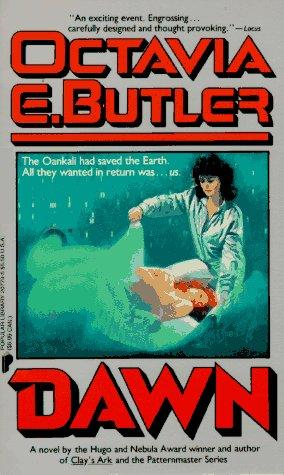
The first Xenogenesis novel follows Lilith Iyapo, awakened centuries after a nuclear war by the Oankali — an alien species who have saved the human survivors. The Oankali want to merge with humanity genetically, and their offer is not optional. Butler explores colonialism, consent, bodily autonomy, and survival in a framework that refuses easy answers. One of science fiction's most morally challenging works. The consent issues are deliberately unsettling and central to the book's project.
Notes for sensitive readers
Reader-flagged moments and themes that may affect your experience.
Deeply unsettling consent dynamics as central theme
Bodily autonomy and coerced genetic exchange
Reader Verification
Be the first to verify
this rating
Have you read Dawn? Submit a community rating to confirm or correct the AI estimate. Your review helps other readers make an informed choice.
Rate this book →Free · ~5 minutes · No account required
Similar reads
More Fantasy books from the catalog.


Think this AI estimate is off?
Flag an inaccuracy →Where to Buy
Affiliate links — BookLens earns a small commission at no extra cost to you.