This analysis was generated by AI from publicly available reader reviews, literary criticism, and book discussions. It has not been verified by a BookLens community reviewer and may contain errors. Be the first to verify →
Content snapshot
Flag an inaccuracy →What's in this book, at a glance — five things readers want to know before they start.
Violence
Some
Some violence; the fleet threat creates genuine stakes
Language
Barely any
Mild language throughout
Sexual Content
None
No sexual content
Substance Use
None
No substance use
Emotional Intensity
A lot
Strong philosophical and psychological content: consciousness transfer, what constitutes a self, and the nature of death and continuation are the novel's primary subjects
What this book is about
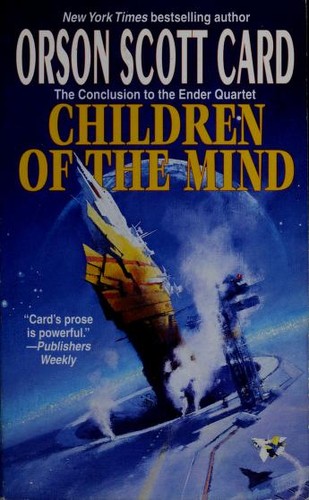
The fourth Ender Saga novel finds Andrew Wiggin dying as his two mental constructs — Jane, the AI, and two new personalities built from his memories — must complete the desperate mission to save Lusitania from the Starways Congress fleet while Jane's existence hangs in the balance. Card's philosophical science fiction continues its examination of consciousness, identity, and what survives death, with a conclusion to Ender's arc that prioritizes ideas over action.
Notes for sensitive readers
Reader-flagged moments and themes that may affect your experience.
Reader Verification
Be the first to verify
this rating
Have you read Children of the Mind? Submit a community rating to confirm or correct the AI estimate. Your review helps other readers make an informed choice.
Rate this book →Free · ~5 minutes · No account required
Similar reads
More Science Fiction books from the catalog.

Think this AI estimate is off?
Flag an inaccuracy →Where to Buy
Affiliate links — BookLens earns a small commission at no extra cost to you.