This analysis was generated by AI from publicly available reader reviews, literary criticism, and book discussions. It has not been verified by a BookLens community reviewer and may contain errors. Be the first to verify →
Content snapshot
Flag an inaccuracy →What's in this book, at a glance — five things readers want to know before they start.
Violence
None
No violence
Language
None
No profanity
Sexual Content
None
No sexual content
Substance Use
None
No substance use
Emotional Intensity
Barely any
Discusses the historical suppression of women's creativity and opportunity; analytically rather than distressingly presented
What this book is about
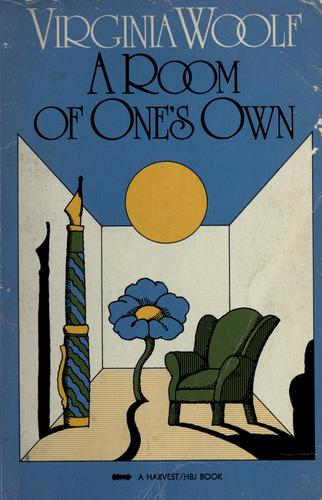
Delivered as two lectures at women's colleges in 1928, Woolf's extended essay begins with a simple observation—she was refused access to a library because she was a woman—and expands into one of the most influential works of feminist criticism ever written. She imagines Shakespeare's gifted sister, traces the economic conditions that have silenced women's creativity, and argues for the androgynous mind as the ideal creative state. Learned, witty, and still urgently relevant nearly a century later.
Notes for sensitive readers
Reader-flagged moments and themes that may affect your experience.
Reader Verification
Be the first to verify
this rating
Have you read A Room of One's Own? Submit a community rating to confirm or correct the AI estimate. Your review helps other readers make an informed choice.
Rate this book →Free · ~5 minutes · No account required
Similar reads
More Contemporary Fiction books from the catalog.


Think this AI estimate is off?
Flag an inaccuracy →Where to Buy
Affiliate links — BookLens earns a small commission at no extra cost to you.