This analysis was generated by AI from publicly available reader reviews, literary criticism, and book discussions. It has not been verified by a BookLens community reviewer and may contain errors. Be the first to verify →
Content snapshot
Flag an inaccuracy →What's in this book, at a glance — five things readers want to know before they start.
Violence
None
No violence
Language
None
No profanity; Victorian-era dialogue
Sexual Content
Barely any
Adult marriage and its emotional politics; nothing explicit
Substance Use
None
No substance use
Emotional Intensity
A lot
The psychological revelation of what Nora's marriage actually is; the cost of her decision; the final scene's radical implications
What this book is about
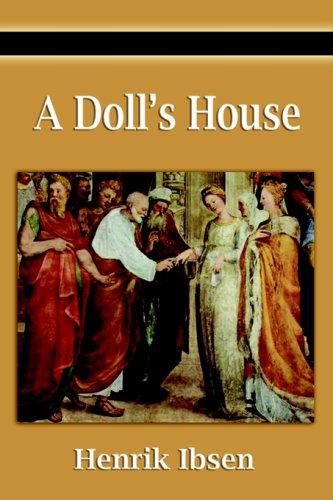
Nora Helmer has secretly borrowed money to save her husband Torvald's life, forging her father's signature to do it. When the blackmailer Krogstad threatens to expose her, Nora discovers that the man she has coddled and charmed for years sees her not as a person but as a doll—something decorative and controllable. Ibsen's 1879 play shocked audiences across Europe with its final scene: Nora walking out the door. It is the founding text of modern drama and of the feminist tradition in theater.
Notes for sensitive readers
Reader-flagged moments and themes that may affect your experience.
A woman discovering she has been treated as a plaything by her husband
Themes of female autonomy that remain urgent
Reader Verification
Be the first to verify
this rating
Have you read A Doll's House? Submit a community rating to confirm or correct the AI estimate. Your review helps other readers make an informed choice.
Rate this book →Free · ~5 minutes · No account required
Similar reads
More Science Fiction books from the catalog.

Think this AI estimate is off?
Flag an inaccuracy →Where to Buy
Affiliate links — BookLens earns a small commission at no extra cost to you.